The Places That Stay With Us
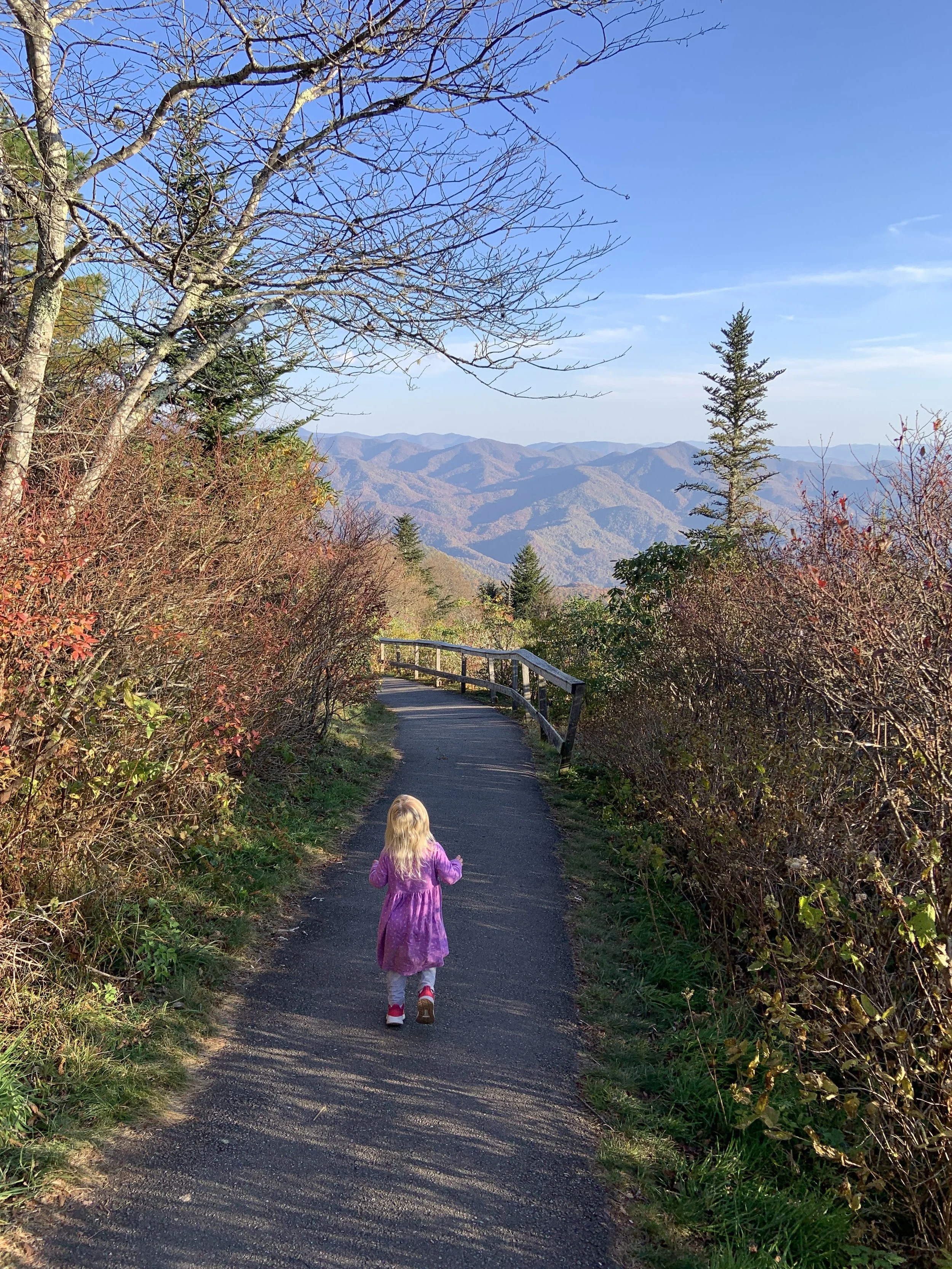
The places we know in childhood can become part of our inner landscape, carried with us long after we have left them behind.
In a world where there is so much noise, grief, and change, sometimes we can find a kind of grounding in places—places that stand strong when other things shift around us. And in the formative years of childhood, these places may shape us and form us in ways we don't fully recognize at the time. They hold us, inspire us, and give us opportunities for play, beauty, discovery, and delight. They become part of the backdrop of who we are becoming.
I grew up near downtown Atlanta, and while that fact alone may seem to hold the essence of some of my background, it really isn't Atlanta that I loved. It was the trips to the Carolina coast: riding waves, searching for shells, building sandcastles; ham sandwiches, Goldfish, and lemonade picnics on the beach; a little blue golf cart carrying us from where my grandmother lived, high on the bluffs, down the hills toward the coastline. There were late afternoons spent exploring tidal pools, and finally returning to her home to shower all the sand off.
Closer to Atlanta, and more accessible for a quick weekend trip, was my other grandmother, nestled in the North Carolina mountains. That whole region, stretching through north Georgia and into the Blue Ridge and Smoky Mountains, holds seemingly endless beauty—mountain lakes, winding roads, forests, rivers, and rocky trails. Many childhood adventures consisted of trekking into these places, lifting my eyes to the hills. There were summer camps, church retreats, YMCA Indian Princess trips, and outdoor club outings: camping, rafting, rock climbing, hiking.
These memories are only a small glimpse of my own childhood, and I recognize what a gift it was to be exposed to more than city streets—to the greens and blues, the wider landscapes, the mountains that seemed to nestle around us. I remember feeling both held and inspired by these places, though I certainly didn't have those words for it then. I think this is part of what meaningful places can offer a child.
A place can become familiar in a deep and meaningful way. Whether close to home or far away, a place can become somewhere a child knows—the way the light falls, where the best shells can be found, what the water feels like at a certain time of year, or which path leads somewhere worth exploring. Over time, these places become part of a child's growing sense of the world, and perhaps part of what they carry with them.
Of course, every child has a different story. Childhood unfolds in different settings and with different resources and opportunities. Not every family travels. Not every child has access to mountains or coastlines or national parks. Yet meaningful places do not have to be far away to shape us.
A neighborhood trail. A backyard. A creek. A city park. A patch of woods behind a school. A front porch swing. A garden. A place where a child has spent enough time to know it, to wonder about it, to play there, and to return.
Perhaps this is important to remember as Mountain Shore Books takes shape. The invitation isn't simply to seek out beautiful or distant places. It is to notice the places that are already part of our children's lives and to make room for them to know those places deeply.
Because places don't have to be extraordinary to become meaningful. Sometimes it is simply the place where we played. The place where we wandered. The place we returned to again and again.